See the Slab. Know the Difference.
Stone Products for Every Project
Zero-Silica Engineered Stone
Zero-Silica Engineered Stone
Zero-Silica Engineered Stone

Overview: A modern marvel, zero-silica engineered stone is crafted for safety and style. Made from resin-bound minerals, it mimics natural stone’s beauty without the health risks of silica dust. Perfect for sleek countertops and vibrant interiors.
Pros: Safe (no silica), highly durable, stain-resistant, low maintenance, and available in endless colors and patterns.
Morphological Structure: A non-porous, uniform composite of resin and minerals, engineered for strength and consistency without crystalline silica.
Granite
Zero-Silica Engineered Stone
Zero-Silica Engineered Stone
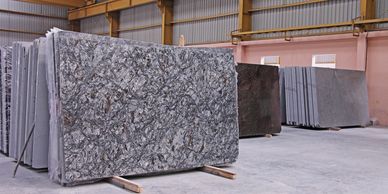
Overview: Granite is the king of natural stone, born from cooled magma deep within the Earth. Its bold patterns and rugged charm make every slab a unique masterpiece.
Pros: Incredibly durable, heat-resistant, and ideal for high-traffic areas like kitchens.
Morphological Structure: Coarse-grained igneous rock with interlocking crystals of quartz, feldspar, and mica, creating its signature speckled look.
Porcelain
Zero-Silica Engineered Stone
Porcelain

Overview: Porcelain is the ultimate fusion of art and resilience. Fired at extreme temperatures, this ceramic marvel offers stunning designs that replicate natural stone or bold patterns for modern spaces.
Pros: Ultra-durable, scratch-resistant, heat-proof, and easy to clean. Ideal for indoor and outdoor use.
Morphological Structure: Dense, fine-grained ceramic with a smooth, non-porous surface formed through high-temperature firing of clay and minerals.
Marble
Limestone
Porcelain

Overview: Marble is the epitome of luxury, carved from the Earth’s heart with iconic veining and a polished glow. A favorite for timeless, high-end designs.
Pros: Stunning aesthetics, cool to the touch, and perfect for statement pieces like vanities or accent walls.
Morphological Structure: Metamorphic rock primarily of calcite crystals, with flowing veins from mineral impurities.
Dolomite
Limestone
Limestone

Overview: Dolomite is the sophisticated cousin of marble, offering a softer, understated elegance with creamy tones and subtle veining. A timeless choice for luxurious spaces.
Pros: Durable, less prone to etching than marble, and versatile for countertops or floors.
Morphological Structure: Sedimentary carbonate rock with a crystalline structure of calcium magnesium carbonate, smoother than limestone.
Limestone
Limestone
Limestone

Overview: Limestone brings an earthy, organic vibe with its soft tones and fossil-flecked charm. Formed from ancient seabeds, it’s a nod to nature’s history.
Pros: Warm aesthetic, versatile for indoor/outdoor use, and easy to shape for custom designs.
Morphological Structure: Sedimentary rock of calcium carbonate, often with visible fossils or shell fragments, giving a textured, matte finish.
Quartzite

Overview: Quartzite is nature’s canvas, transformed from sandstone under intense heat and pressure. Its shimmering, crystalline beauty rivals marble with unmatched strength.
Pros: Hard-wearing, heat-resistant, and less porous than marble, perfect for elegant yet practical surfaces.
Morphological Structure: Metamorphic rock with tightly packed quartz grains, often featuring veined or speckled patterns.
Sintered Stone
Overview: Sintered stone is nature reimagined. Created by compressing natural minerals under intense heat and pressure, it delivers jaw-dropping durability with a lightweight, versatile edge.
Pros: Resistant to scratches, heat, UV rays, and stains. Eco-friendly and perfect for countertops or cladding.
Morphological Structure: A compact, non-porous matrix of natural minerals fused into a slab through advanced sintering technology.
Travertine
Travertine
Overview: Travertine is nature’s textured treasure, formed in hot springs with a porous, pitted surface that exudes rustic elegance. Ideal for floors or walls.
Pros: Unique, tactile look, slip-resistant when honed, and durable for high-traffic areas.
Morphological Structure: Sedimentary rock of calcium carbonate with a porous, layered structure from mineral deposits in springs.